Hello! Bit of a wet one this past week, eh? If you don’t live in Edinburgh, then good for you! But over here, ’tis a wetty. Every time I think about prolonged rain like this in Scotland, I think of all the flooding that will follow, which, to be honest, shouldn’t be the case if our woodlands were well managed. I swear this blog won’t just be a platform for me to bitch about Scotland! But for now, I most definitely will.
As has been a common trend throughout these blogs, I have really been lamenting the loss of vegetation in our beautiful countryside. The consequences we are now witnessing are somewhat surprising: both increased flooding and somehow increased drought. You would think with all this wet weather we would see less drought, right? Or that our lochs and rivers would get higher? But it is in fact the opposite.
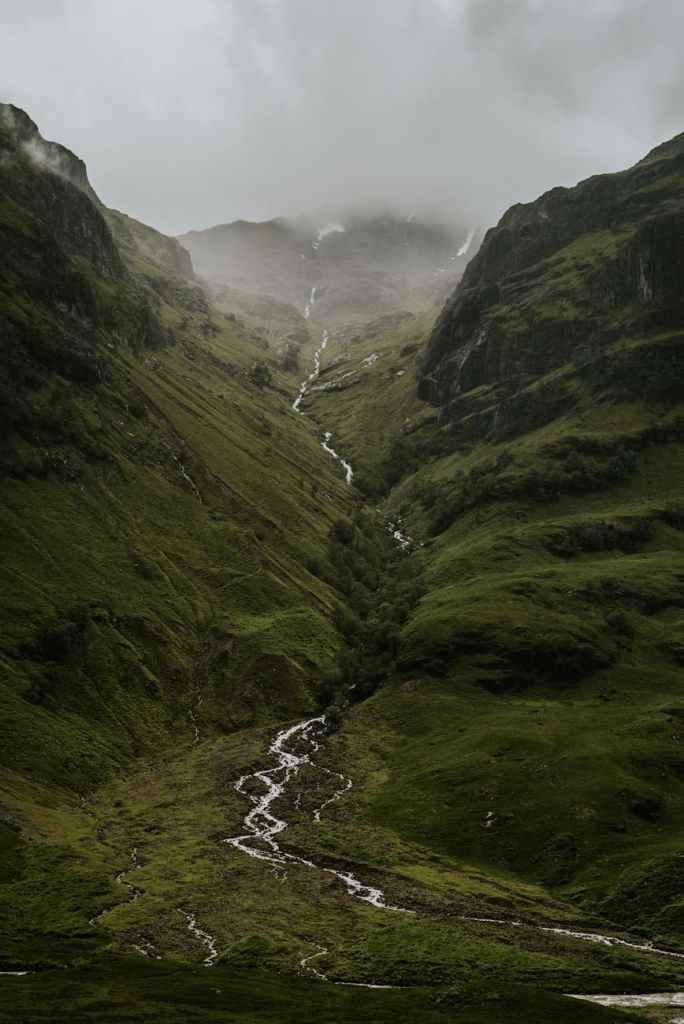
When you don’t have lush trees and vegetation all along the banks of rivers and coating our hills, water is funneled straight down with no brakes (see above). And all the little streamlets are super charged into a roar of water all downstream. Places upstream that are well forested act as sponges, so when the water runs down the hillside it is mostly absorbed by all the vegetation and then gradually released into rivers over time. What actually does most of the heavy lifting here is moss*. Which is why old growth forests are so important as they tend to be heavy with mosses.

I’ll probably go into more detail on a separate tree and moss blog. But for now, another important factor that is making exciting waves throughout the UK is the introduction of the beaver. This is a controversial issue because of how its actions interact with ecosystems and water levels, especially when it comes to farmers who, having lived without them for hundreds of years, have forgotten how to coexist as they do in areas like Bavaria with very high beaver densities. Anyway, I digress. Beavers are important here for flooding and drought, especially as, like trees, when they create both large and small dams, they also act like brakes and sponges, reducing large flows of water and encouraging a steady trickle instead.
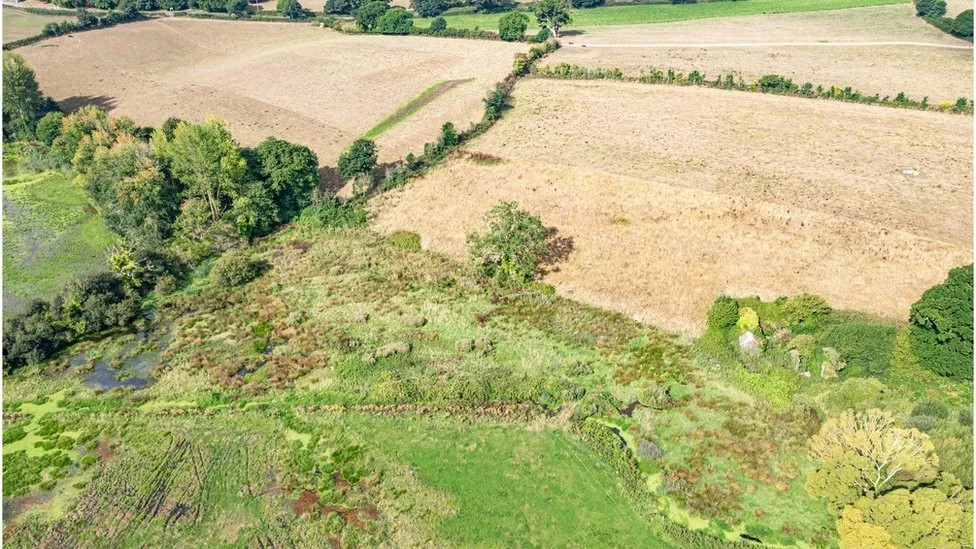
From the sounds of it then we have to chuck in a bunch of beavers and plant trees everywhere. On this side of things we have to be careful though. Yes, planting trees is important, but if you are involved in this it is essential you do it in the right way and in the right place. One of the best methods for planting I have come across is the Miyawaki planting method. Instead of creating plantations of evenly spaced trees of the same species, with Miyawaki, you create a super dense, small area with many different species. These then spread out naturally and produce a much more authentic and healthy forest over time. Give it a shot if you have the space to do so!
*In a study in Costa Rica, one hectare’s worth of moss absorbed 50,000 litres in a single rainfall! Obviously it is hard to compare to Scotland, but it gives you an idea of the importance of mosses.
Photos:
- Photo by Matteo Badini on Pexels.com
2. Photo by Dom Gould on Pexels.com (River photo)
3. Beaver dams in east Devon create area of wetland amid drought – BBC News
 Scruffy Scotland
Leave a comment